
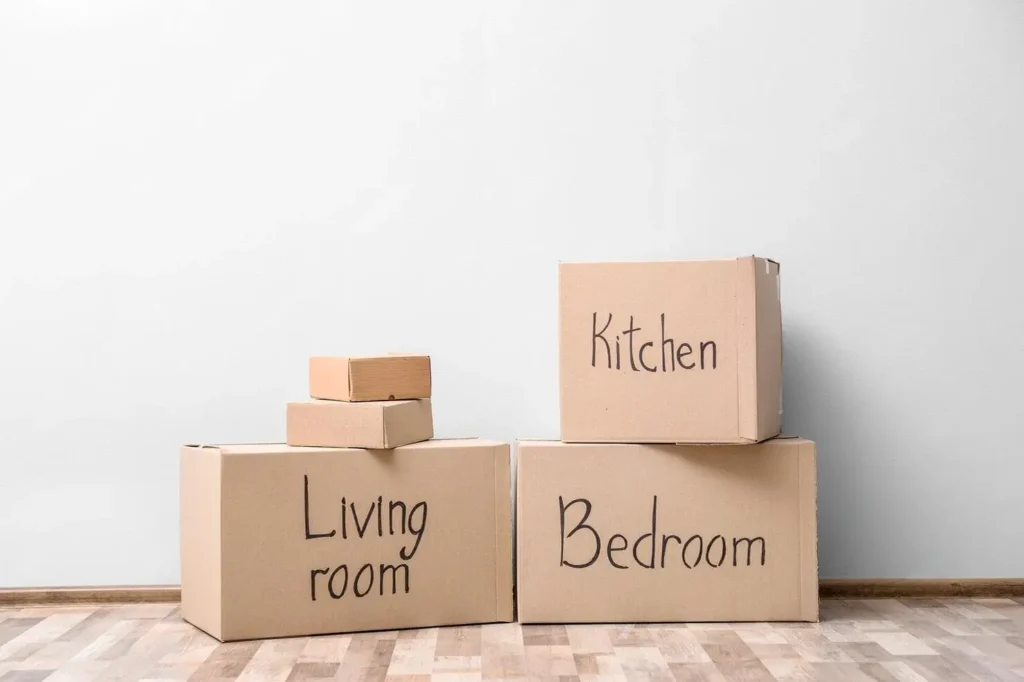
Moving to a new home is a big moment in life. It can feel exciting, like starting a new chapter. But at the same time, it can also feel confusing and stressful—especially when you’re surrounded by dozens of boxes and can’t find what you need.
Many people think packing is the hardest part of moving. But in reality, unpacking becomes the real challenge if your boxes are not labeled properly. Imagine arriving at your new home, tired from the move, and not knowing where your essentials are. That’s when a good labeling system becomes your best friend.
Labeling moving boxes is not just about writing a few words on cardboard. It’s about creating a smart system that helps you stay organized, save time, and reduce stress. In this complete guide, you’ll learn everything—from basic labeling to advanced strategies used by professional house movers in Melbourne—so you can unpack easily and settle into your new home without frustration.
Why Proper Labeling Makes a Huge Difference?
Let’s start with something simple: labeling saves time.
But it does much more than that.
When your boxes are labeled correctly, you can:
- Place boxes directly in the correct rooms
- Find important items without opening everything
- Avoid breaking fragile items
- Unpack in a calm and organized way
- Reduce stress for yourself and your family
Without labeling, your move becomes a guessing game. With labeling, it becomes a smooth and controlled process.
Think of labeling as a “map” for your belongings. Without a map, you get lost. With a map, everything becomes easy.
Step 1: Create a Labeling System Before You Start Packing
The biggest mistake people make is labeling boxes randomly. This creates confusion later.
Instead, start by creating a simple system.
Divide Your Home Into Zones
Break your home into clear sections:
- Kitchen
- Master Bedroom
- Kids’ Bedroom
- Bathroom
- Living Room
- Dining Area
- Office or Study
- Storage or Garage
Each box you pack should belong to one of these zones.
Decide Your Label Format
A good label should include three things:
Room + Contents + Special Notes
For example:
- Kitchen – Glassware – Fragile
- Bedroom – Summer Clothes
- Office – Important Documents – Handle Carefully
Having a consistent format makes everything easier to understand.
Step 2: Use the Right Tools for Labeling
Using the right tools makes your labeling clear and long-lasting.
Here’s what you should use:
- Thick permanent markers (black works best)
- Colored stickers or tape
- Pre-printed labels (optional)
- Packing tape (to protect labels)
Avoid pens or light markers—they can fade or become hard to read.
Step 3: Label Every Box Clearly and Boldly
When you label a box, imagine reading it from across the room.
Write in big, bold letters so anyone can understand it quickly.
Instead of writing:
“Kitchen items”
Write:
“KITCHEN – POTS AND PANS”
Clear labeling removes confusion, especially when multiple people are helping you move.
Step 4: Always Label Multiple Sides of the Box
One of the most common mistakes is labeling only the top of the box.
When boxes are stacked, the top label may not be visible.
To fix this:
- Label at least two sides of every box
- Ideally label three sides + top
This ensures you can identify boxes from any angle.
Step 5: Add Detailed Descriptions (But Keep Them Short)
You don’t need to write everything inside the box, but a short description helps a lot.
For example:
- Bathroom – Towels and Toiletries
- Living Room – Remote Controls and Cables
- Kitchen – Spices and Dry Food
This helps you find specific items quickly without opening every box.
Step 6: Use Color Coding for Instant Recognition
Color coding is one of the easiest ways to speed up unpacking.
How It Works
Assign a color to each room:
- Kitchen – Yellow
- Bedroom – Blue
- Bathroom – Green
- Living Room – Red
- Office – Orange
Place colored tape or stickers on each box.
Then, place matching colors on doors in your new home.
Now anyone can instantly know where each box belongs—no reading required.
Step 7: Number Your Boxes and Create a Master List
This is a powerful technique used by professional movers.
How to Do It
- Write a number on each box
- Keep a notebook or digital list
- Write details for each number
Example:
- Box 1 – Kitchen – Plates
- Box 2 – Kitchen – Utensils
- Box 3 – Bedroom – Bedsheets
Why This Helps
If you’re looking for something specific, you can check your list instead of opening multiple boxes.
It also helps you make sure nothing gets lost during the move.
Step 8: Clearly Mark Fragile and Valuable Items
Some items need extra care, such as:
- Glassware
- Mirrors
- Electronics
- Decorative items
For these boxes:
- Write “FRAGILE” in large letters
- Add arrows (↑ THIS SIDE UP)
- Use extra padding inside the box
You can also use bright-colored tape to make these boxes stand out.
Step 9: Create an “Open First” Essentials Box
After a long move, you won’t want to search for basic items.
That’s why you should prepare an essentials box.
What to Include
- Toothbrush and toiletries
- Phone chargers
- Snacks and water
- Basic kitchen items
- A change of clothes
- Important documents
Label it clearly:
“OPEN FIRST – ESSENTIALS”
Keep this box with you or make sure it is unloaded first.
Step 10: Label Electronics and Cables Properly
Electronics can be confusing to set up again.
To make things easier:
- Label each cable
- Use small bags for accessories
- Write which device each cable belongs to
Example:
- TV Cable – Living Room
- Router – Office
- Laptop Charger – Bedroom
You can even take pictures before disconnecting devices to remember how everything connects.
Step 11: Pack Similar Items Together
Good labeling starts with smart packing.
Avoid mixing items from different rooms in one box.
For example:
Don’t pack kitchen utensils with bedroom items.
When items are grouped properly, labeling becomes simple and accurate.
Step 12: Protect Your Labels
During a move, boxes can get wet, scratched, or damaged.
To protect your labels:
- Use waterproof markers
- Cover labels with clear tape
- Avoid placing labels on edges
This ensures your labels stay readable until you unpack everything.
Step 13: Keep Important Items With You
Some items should never go into moving boxes, such as:
- Passports
- Cash
- Jewelry
- Legal documents
Keep these in a separate bag that stays with you at all times.
Step 14: Use a Priority System for Unpacking
Not all boxes need to be opened immediately.
You can label boxes with priority levels:
- High Priority (Open First)
- Medium Priority
- Low Priority
This helps you unpack step by step without feeling overwhelmed.
Step 15: Take Photos Before Sealing Boxes
Before closing each box, take a quick photo of what’s inside.
This gives you a visual reference in case you forget what’s inside.
It’s a small step that can save a lot of time later.
Step 16: Stay Consistent With Your System
The most important rule is consistency.
If you start using:
- Room labels
- Color codes
- Box numbers
Make sure you follow the same system for every box.
A mixed system creates confusion, while a consistent system creates clarity.
Step 17: Involve Everyone in the Process
If you’re moving with family, make sure everyone understands the labeling system.
This avoids mistakes and keeps everything organized.
You can even assign each person a specific role.
Step 18: Common Mistakes to Avoid
Here are some mistakes that can make your move harder:
- Writing unclear or small labels
- Skipping labels on some boxes
- Mixing items from different rooms
- Not marking fragile items
- Forgetting to label box sides
Avoiding these mistakes will make your move much smoother.
Step 19: How Proper Labeling Makes Unpacking Easy
When you arrive at your new home, you’ll see the real benefit of your effort.
Instead of confusion, you’ll have:
- Boxes placed in the correct rooms
- Easy access to essential items
- A clear unpacking plan
- Less stress and more comfort
You can unpack room by room and settle in quickly.
Final Thoughts
Moving doesn’t have to feel overwhelming. With a proper labeling system, you can turn a stressful process into a well-organized experience.
Think of labeling as a small investment of time that gives you a big reward later.
When every box is clearly labeled, unpacking becomes simple, fast, and even enjoyable. You’ll spend less time searching and more time enjoying your new home.
So before you start packing, take a moment to plan your labeling system—and make your move smarter from the very beginning.
Looking for Professional and Expert Moving Help in Melbourne, Victoria?
Make your move simple, organized, and stress-free with Best OZI Movers. Our professional team uses smart packing and labeling techniques to ensure easy unpacking at your new home. Whether it’s a small move or a complete household relocation, trust Best OZI Movers to handle everything with care and precision. Get in touch today for a smooth moving experience!
FAQs Label Moving Boxes
1. How detailed should moving box labels be?
Labels should include the room name and a short description of contents. Keep them clear and easy to read without making them too long.
2. Is color coding really helpful for moving?
Yes, color coding makes it much faster to identify boxes and place them in the correct rooms without reading every label.
3. What is the best way to track all moving boxes?
Number each box and maintain a master list describing the contents of each box.
4. How do I label fragile items properly?
Write “FRAGILE” clearly on multiple sides and use arrows to show the correct position of the box.
5. What should I unpack first after moving?
Start with your essentials box, which should contain daily-use items like toiletries, chargers, and basic kitchen supplies.
6. Should I label boxes on the top or sides?
You should label both the top and at least two sides for easy visibility.