
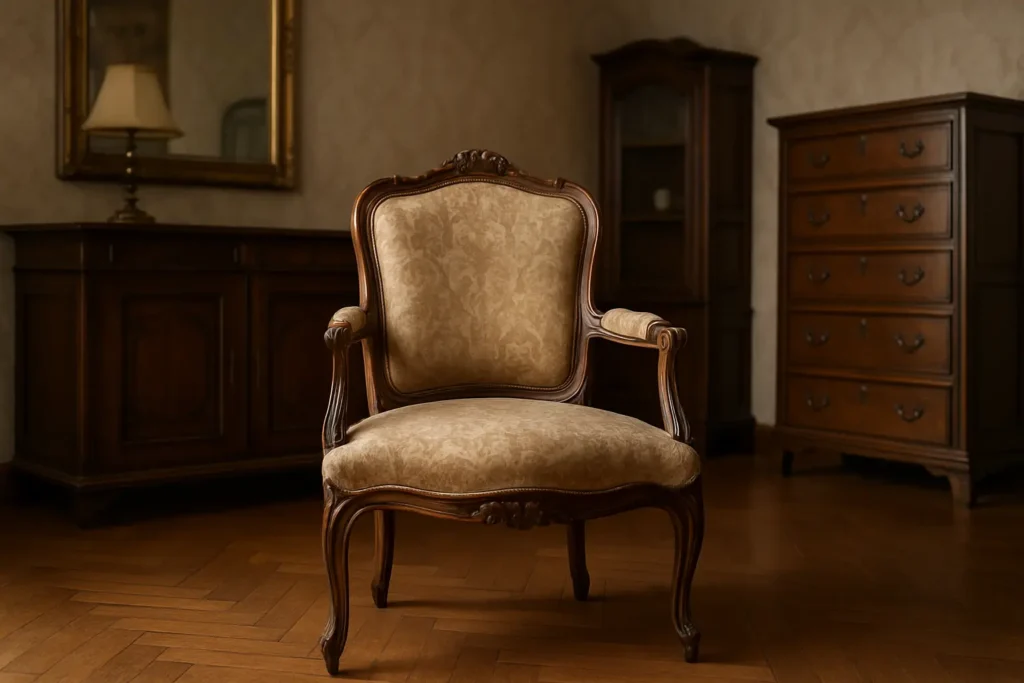
Antique furniture is not just old furniture. It is special. It is valuable. It is unique. It may have been passed down through your family, or you may have bought it because you loved its charm. No matter how you got it, one thing is true:
Moving antique furniture is not the same as moving regular furniture.
Antiques are often fragile, heavy, delicate, and sometimes impossible to replace. Even a small scratch can reduce their value or damage their beauty forever. That’s why moving antique furniture in Melbourne requires careful planning, proper tools, and the right knowledge.
This detailed guide will help you understand everything you must know before moving antique furniture, whether you are shifting across Melbourne, relocating to a new suburb, or moving interstate.
What Counts as Antique Furniture?
Before learning how to move antique furniture, you must understand what makes a piece “antique.”
Antique furniture is usually:
Over 100 years old
Handcrafted, not factory-made
Made with unique materials or techniques
Valuable because of its rarity, age, or design
Sensitive to temperature, moisture, and pressure
Examples include:
Victorian chairs
Hand-carved dining tables
Vintage dressers
Old mirrors with delicate frames
Wooden wardrobes
Antique desks
Grandfather clocks
China cabinets
Old wooden chests
Melbourne homes—especially older suburbs like Carlton, Fitzroy, Toorak, Brighton, Richmond, Hawthorn, and South Yarra—often have antique pieces passed down through families. Moving them safely requires special attention.
Why Moving Antique Furniture Is Different?
Many people underestimate the challenges involved in moving antiques. They think a piece of bubble wrap is enough, but it isn’t.
Here’s why antique furniture needs extra care:
1. It is fragile even if it looks strong
Old wood can crack easily. Joints become loose. Fabrics fade. Finishes chip.
2. It has sentimental value
You cannot replace something that belonged to your grandparents.
3. It has financial value
Some antiques cost thousands of dollars.
4. It may have weird shapes
Curved legs, carved edges, fragile glass sections, and odd angles make moving difficult.
5. It requires special packing materials
Standard boxes and tape are not enough.
6. Temperature changes matter
Melbourne weather can shift quickly—from hot to cold—which can damage antique wood.
These reasons make antiques different from modern furniture. That’s why they need special treatment.
Step-by-Step Guide to Moving Antique Furniture in Melbourne
Below is a complete process used by professional movers in Melbourne, explained simply so even beginners can follow it.
Step 1: Inspect the Furniture Carefully
Before you pack or move anything, closely check the condition of each antique item.
Look for:
Cracks
Loose joints
Wobbly legs
Weak handles
Scratched surfaces
Loose veneers
Fragile glass sections
This helps you understand what needs extra care.
Tip: Take photos from all angles. These photos help prove its condition before the move in case of insurance claims.
Step 2: Clean the Furniture Gently
Dust or dirt can scratch the surface during a move.
Use:
A soft cotton cloth
A small brush for corners
No water on delicate wood
No harsh chemicals
Cleaning first also helps packing materials stick properly.
Step 3: Remove Any Loose or Detachable Parts
Take off anything that can be removed safely, such as:
Drawers
Shelves
Glass panels
Legs (if made for detaching)
Mirrors
Padding
Cushions
Wrap each part separately to avoid damage.
Step 4: Choose the Right Packing Materials
Antique furniture needs high-quality protective materials, such as:
Microfibre cloths
Soft moving blankets
High-density bubble wrap
Furniture pads
Non-abrasive packing paper
Foam boards
Corner protectors
Custom wooden crates (for very delicate items like mirrors)
Avoid cheap, thin bubble wrap because it can burst under pressure.
Step 5: Wrap the Furniture Properly
The wrapping technique matters.
Layer 1: Soft protection
Use cotton cloth or non-abrasive paper so the surface doesn’t get scratched.
Layer 2: Cushioning
Wrap bubble wrap around corners, legs, and edges.
Layer 3: Moving blankets
Wrap the whole item with a thick moving blanket and secure it with professional tape or shrink wrap.
Never let tape touch the antique surface directly!
Step 6: Protect the Corners and Legs
Corners and legs are the most sensitive areas. Use special protectors or foam to secure them.
Step 7: Use Proper Equipment for Lifting
Antique furniture should never be dragged on the floor.
Professional movers use:
Furniture dollies
Straps
Trolleys
Lifting harnesses
Sliders
Dragging can break legs, loosen joints, and damage floors.
Step 8: Load the Item Into the Truck Safely
The truck should have:
A climate-controlled environment (helpful in Melbourne’s changing weather)
Padding on walls
Tie-down points
Non-slip floors
Large items should be placed upright and secured tightly with straps.
Heavy items go first so they don’t crush lighter pieces.
Step 9: Move Slowly and Carefully
Antique furniture should be handled with slow movements. No rushing. No sharp turns. No stacking boxes on top of it.
Movers must communicate clearly during lifting or turning.
Step 10: Unload and Unwrap Safely
Once you reach the new home, be just as careful with unloading. Unwrap the furniture only when it is inside the room where it belongs.
This avoids extra lifting and unnecessary stress on the item.
Common Mistakes to Avoid When Moving Antique Furniture
Even a small mistake can cause big damage. Avoid these errors:
1. Using cheap packing materials
Thin bubble wrap or single blankets won’t protect antiques.
2. Moving on your own
Most antiques are extremely heavy or fragile.
3. Stacking items on top of antiques
This can crush delicate wood or carvings.
4. Letting tape touch the wood
The adhesive can destroy the finish.
5. Forgetting to measure doorways
Some antiques don’t fit through narrow Melbourne entrances—especially in older terrace homes.
6. Placing antique furniture near Melbourne heat sources
Heaters and sunlight can warp wood.
7. Storing antiques in poor conditions
Humidity causes cracking and mold.
These mistakes are avoidable by choosing a careful and trained moving team.
Why You Should Hire Professional Antique Movers in Melbourne?
Moving antique furniture in Melbounre is not a simple DIY job. Here’s why hiring trained movers makes a big difference:
1. They know how to handle delicate furniture
Experienced movers know exactly where to hold, how to lift, and how to angle fragile items.
2. They bring proper equipment
You won’t need to rent dollies, pads, trolleys, or straps.
3. They use high-quality packing materials
This ensures maximum safety.
4. They reduce the risk of damage
A single mistake can cost thousands—professionals prevent that.
5. They offer insurance
Your antiques stay protected during the move.
6. They know Melbourne homes well
From tight apartment staircases to narrow Victorian-style hallways, Melbourne movers know how to navigate tricky spaces.
7. They save you time
You can focus on your move while they handle the heavy work.
Best Practices for Antique Furniture Storage in Melbourne
If you need to store your antique furniture temporarily, choose a good storage facility.
Look for:
Climate control to protect wood
Low humidity
Security systems
Good ventilation
Clean environment
Do not store antiques in garages or sheds—they are too hot, cold, or damp.
Final Thoughts
Antique furniture is priceless—not just in money, but in history and memories. Moving it the wrong way can destroy something that has lasted for generations.
But with the right knowledge, proper packing, and professional movers, you can protect your antiques and keep them safe for the next chapter of your life.
Melbourne’s fast-changing weather and older homes make antique moving a challenge, but with the right steps, everything can be done safely, smoothly, and without worry.
Want your Antique Furniture Moved Safely?
Best Ozi Movers in Melbourne specialises in professional, careful, and secure antique moving. Our trained team knows how to handle delicate, heavy, and valuable antique pieces with the respect they deserve.
Protect your history. Move with confidence. Choose Best Ozi Movers today.
FAQ’s About Moving Antique Furniture in Melbourne
1. Do movers in Melbourne offer insurance for antique furniture?
Yes, reputable movers offer transit insurance, which protects your antique items during the move.
2. Can I move antique furniture by myself?
It’s possible but not recommended. Antiques are fragile and require professional handling.
3. How should I protect antique wood from Melbourne’s weather?
Use climate-controlled trucks and avoid leaving antiques outdoors in heat, cold, or direct sunlight.
4. Should I disassemble antique furniture before moving?
Only if the item is designed for easy disassembly. Otherwise, leave it as one piece to avoid damage.
5. How early should I book antique movers in Melbourne?
Book at least 2–3 weeks in advance, especially during busy seasons.